Improving Your Vehicle’s Interior Lighting Experience
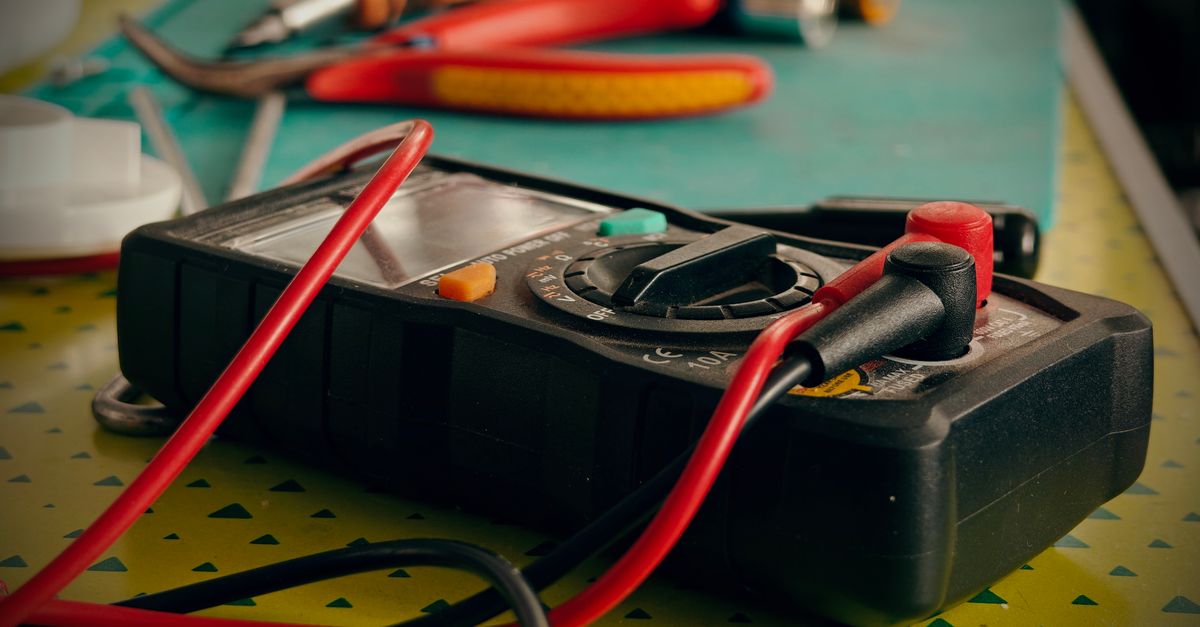
Table Of Contents
Installation Tips for Interior Lighting
Choosing the right type of lighting can greatly enhance your vehicle's interior. LED strips are a popular option due to their energy efficiency and longevity. Before installation, gather the necessary tools, such as wire strippers, connectors, and mounting tape. Measuring the areas you plan to light is essential. Cut the lighting strips to size, ensuring you follow the manufacturer's guidelines for optimal performance.
Proper placement of the lights is crucial for achieving the desired atmosphere. Consider areas like footwells, under the dashboard, and along the edges of the ceiling. Make sure to clean the surfaces before applying any adhesive strips to ensure a strong bond. Secure the wiring along the edges to avoid clutter and potential hazards. Test the lights before finalizing the installation to ensure everything is functioning properly.
Step-by-Step Guide for DIY Enthusiasts
Starting with the planning phase is crucial for any DIY project. Identify the areas in your vehicle that would benefit from additional lighting. Consider the type of lights you want to install, such as LED strips or map lights, as well as the color and brightness. Gather all necessary tools including wire connectors, electrical tape, and a power source. Make sure to read the instructions for the specific lighting products you’ll be using, as each may have unique requirements or recommendations.
Once you have everything in place, begin by disconnecting the vehicle’s battery. This ensures safety while working with electrical wiring. Next, carefully remove any panels or trim that might obstruct access to your chosen installation area. Follow the manufacturer’s instructions to connect the lights to the vehicle’s power supply. Secure the lights in place and replace any removed panels. Finally, reconnect the battery and test the lights to ensure they operate as expected.
Safety Considerations for Interior Lighting
When installing new interior lighting in your vehicle, it’s crucial to consider the potential impact on visibility. Bright lights can distract the driver and take attention away from the road. It’s important to choose lighting that provides adequate illumination without causing glare. Consider the positioning of lights to minimize any interference with the driver’s vision. Additionally, using soft LED lights can enhance the ambiance while reducing the risk of distraction.
Compliance with vehicle regulations is another important aspect of interior lighting. Each state has specific laws regarding the type and color of lights permitted inside a vehicle. Ensuring adherence to these regulations will help avoid penalties and potential safety issues. Before making any modifications, research your local laws to verify what is allowed. This diligence helps to maintain both safety and legal compliance while enhancing your vehicle’s interior experience.
Ensuring Compliance with Vehicle Regulations
When enhancing your vehicle's interior lighting, it is crucial to stay informed about local regulations that govern modifications. These rules can vary by state and municipality, so checking with local authorities is advisable. Many areas have specific guidelines about the color, brightness, and placement of interior lights. Some jurisdictions may even have restrictions on lighting that can distract other drivers or interfere with standard visibility measures.
In addition to checking color and brightness, consider regulations pertaining to the use of lights while the vehicle is in motion. Some regions may have rules against certain types of lighting being active when driving, as this could pose safety concerns. Ensuring that any modifications are not only aesthetically pleasing but also compliant with local laws will help avoid potential fines or complications during vehicle inspections.
Maintenance of Interior Lighting Fixtures
Proper maintenance of interior lighting fixtures ensures they function efficiently and enhances the overall experience inside your vehicle. Regularly inspecting the fixtures for any signs of wear or damage is essential. Check for connections and wiring, as loose or frayed cables can lead to inconsistent lighting or even electrical issues. Cleaning the lenses and surrounding areas can also prevent dust buildup, which may obstruct light output and affect visibility.
In addition to keeping the fixtures clean, consider replacing any burnt-out bulbs promptly. Keeping a few spare bulbs in your vehicle can save time during unexpected outages. Make sure to follow the manufacturer's guidelines when selecting replacement parts to maintain compatibility and optimize performance. Periodically revisit the lighting system to assess its overall condition and functionality, ensuring that your vehicle's interior remains well-lit and inviting.
Cleaning and Caring for Your Vehicle's Lighting
Regular maintenance of your vehicle's interior lighting is essential to ensure optimal performance and longevity. Start by gently cleaning the light fixtures with a soft, damp cloth to remove dust and debris. Avoid using harsh chemicals that can damage the surface or affect the brightness of the bulbs. Pay attention to the plastic covers; these can become foggy or yellowed over time. A mixture of water and mild soap is often effective for cleaning. If the covers are removable, consider detaching them for a more thorough clean.
Inspecting the lighting system periodically can help identify any potential issues before they escalate. Replace burned-out bulbs promptly to maintain consistent light output. Consider upgrading to LED lights for increased efficiency and longer lifespans. Additionally, check the wiring for any signs of wear or damage. Keeping connections secure and free from corrosion will contribute to the overall reliability of your vehicle's interior lighting system.
FAQS
What types of interior lighting can I install in my vehicle?
You can install various types of interior lighting such as LED strips, dome lights, footwell lights, and ambient lighting kits to enhance the aesthetic and functionality of your vehicle’s interior.
Are there any specific tools required for DIY interior lighting installation?
Yes, for DIY installation, you may need tools such as wire strippers, a soldering iron, a multimeter, electrical tape, and a basic set of screwdrivers to assist with the installation process.
How can I ensure that my interior lighting complies with vehicle regulations?
To ensure compliance, check your local laws and regulations regarding vehicle lighting. Generally, interior lights should not distract the driver or impair visibility. It’s also essential to avoid using colors that are prohibited for vehicle lights.
What are some maintenance tips for keeping my vehicle's interior lighting in good condition?
Regularly check the connections and wiring for any signs of wear or damage, clean the light fixtures to remove dust and debris, and replace any burnt-out bulbs promptly to maintain optimal lighting performance.
Can I customize the color of my vehicle's interior lights?
Yes, many modern interior lighting kits offer color-changing options, allowing you to customize the lighting to suit your mood or preferences. Just make sure the chosen colors are compliant with local regulations.
Related Links
Upgrading Your Vehicle's Headlights for Enhanced Safety and VisibilityBenefits of Installing Modern Lighting Systems in Cars
How to Choose the Right Lighting Upgrades for Your Car
Installation of High-Performance Light Bars for Off-Road Vehicles
Understanding Automotive Electrical System Enhancements
Integrating Smart Lighting Technology into Your Vehicle
The Importance of Professional Installation for Automotive Lighting
Tips for Maintaining Your Vehicle’s Electrical System After Upgrades
Custom LED Lighting Solutions for Your Vehicle