Integrating Smart Lighting Technology into Your Vehicle
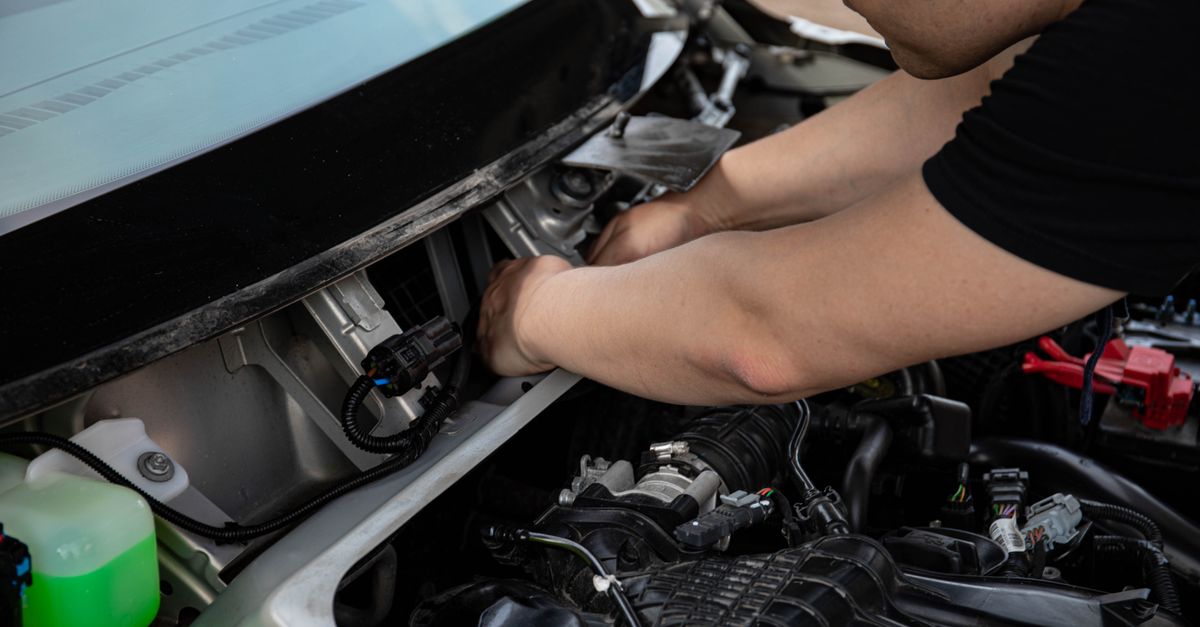
Table Of Contents
Popular Smart Lighting Brands and Products
Several brands have established themselves as leaders in the smart lighting market, offering innovative products that cater to a variety of customer needs. Philips Hue is well-known for its extensive range of smart bulbs and fixtures, providing users with customizable colors and automated features. Another prominent player is Ring, primarily recognized for its security products but also offering smart outdoor lighting solutions. These products integrate seamlessly with smart home ecosystems, ensuring ease of use and flexibility.
Additionally, companies like Sylvania and GE Lighting have ventured into the smart lighting space, providing options that are both functional and energy-efficient. Smart lighting products from these brands often come with user-friendly mobile apps, allowing drivers to control their vehicle's exterior and interior lighting easily. With the growing importance of connectivity and automation, these brands continue to innovate, enhancing the driving experience through smart lighting technology.
Overview of Leading Manufacturers
Several manufacturers have emerged as leaders in the smart lighting technology market. These companies prioritize innovation and quality, providing products that enhance vehicle aesthetics and functionality. Notable brands include Philips, known for its high-performance LED solutions, and Osram, which offers a wide range of smart lighting options tailored for automotive applications. Both companies focus on integrating advanced features like color-changing capabilities and adaptive lighting systems that respond to driving conditions.
Another prominent player is Sylvania, which combines user-friendly installation with durable products designed for long-term use. Their smart lighting options often include smartphone compatibility for easy control. Meanwhile, Hella is recognized for its cutting-edge technology and custom lighting solutions that meet diverse consumer needs. Each of these manufacturers plays a significant role in shaping the future of vehicle lighting, contributing to both safety and style on the road.
Installation Process for Smart Lighting Systems
Integrating smart lighting systems into a vehicle involves a series of steps that ensure proper functionality and aesthetics. Begin by gathering all necessary tools, including screwdrivers, wire strippers, and connectors, along with the smart lighting kit chosen for your vehicle. It’s essential to read through the manual that comes with the smart lighting system to understand the specific requirements and instructions for your model.
Once everything is prepared, begin by disconnecting the vehicle battery to prevent any electrical issues during installation. Carefully remove the existing lighting fixtures or panels as indicated in the manual. Then, following the provided instructions, install the new smart lighting components, ensuring connections are secure and properly insulated. After installation, reconnect the battery and test the lights to confirm they operate as intended before completing the process.
Step-by-Step Guide
Before starting the installation of smart lighting systems, gather all necessary tools and materials. Make sure to acquire the correct smart lighting kit suitable for your vehicle's make and model. Prepare a clean, well-lit workspace to ensure safety and ease of access. Disconnect the vehicle’s battery to eliminate any risk of electricity-related mishaps during the process.
Begin by removing the existing lighting fixtures as outlined in the vehicle’s manual. Carefully follow the manufacturer's instructions to install the new smart lighting components. Connect the wiring as indicated, ensuring all connections are secure. Once installed, reattach any covers and reconnect the battery. Finally, test the new system to confirm all features are operational before taking your vehicle back on the road.
Maintenance Tips for Smart Lighting Technology
Regular maintenance of smart lighting systems is key to ensuring their longevity and optimal performance. Start by inspecting the connections and wiring for signs of wear or damage. Clean the light fixtures periodically to remove dirt and dust that can hinder brightness and efficiency. Use soft cloths and non-abrasive cleaners to avoid scratching surfaces.
It is important to check the software of smart lighting systems as well. Ensure that firmware updates are installed as they can enhance performance and security. Monitor the lights for any flickering or inconsistent brightness, as these can indicate underlying issues. If problems persist, consulting with a professional can help diagnose and fix any technical malfunctions.
Ensuring Longevity and Performance
Maintaining smart lighting systems requires regular inspections to ensure all components are functioning properly. Checking connections and ensuring that there is no dust or debris obstructing any parts can prevent issues before they arise. Additionally, using the appropriate cleaning materials will help preserve the integrity of the lights and their fixtures. It is essential to follow manufacturer guidelines to avoid using harsh chemicals that could damage the technology.
Another important aspect of longevity is software updates. Many smart lighting systems come with accompanying apps that receive periodic updates to improve performance and introduce new features. Regularly updating the software can enhance functionality and ensure compatibility with other systems within the vehicle. Keeping track of these updates is as vital as the physical maintenance of the lights themselves.
FAQS
What are the benefits of integrating smart lighting technology into my vehicle?
Integrating smart lighting technology into your vehicle enhances visibility, improves safety, and offers customizable lighting options. It can also provide features such as ambient lighting, automatic dimming, and synchronized lighting effects that improve the overall driving experience.
How do I choose the right smart lighting product for my vehicle?
When choosing a smart lighting product, consider factors such as compatibility with your vehicle model, the type of lights you want (e.g., headlights, interior lights, ambient lights), and the features offered by different brands. Researching customer reviews and performance ratings can also help you make an informed decision.
Can I install smart lighting systems in my vehicle myself?
Yes, many smart lighting systems come with a detailed installation guide that allows for DIY installation. However, if you're not comfortable with electrical work or lack experience, it may be best to seek professional help to ensure proper installation and avoid any potential issues.
How do I maintain my smart lighting technology to ensure longevity?
To maintain your smart lighting technology, regularly clean the light fixtures to remove dirt and debris, check the wiring for any signs of wear or damage, and ensure software updates are applied if applicable. Additionally, using the lights as intended and avoiding overuse can prolong their lifespan.
What should I do if my smart lighting system malfunctions?
If your smart lighting system malfunctions, first check the user manual for troubleshooting tips. Ensure that all connections are secure and that there are no blown fuses. If the issue persists, consider reaching out to the manufacturer's customer support for assistance or consult a professional technician.
Related Links
Understanding Automotive Electrical System EnhancementsThe Importance of Professional Installation for Automotive Lighting
How to Choose the Right Lighting Upgrades for Your Car
Installation of High-Performance Light Bars for Off-Road Vehicles
Tips for Maintaining Your Vehicle’s Electrical System After Upgrades
Upgrading Your Vehicle's Headlights for Enhanced Safety and Visibility