Understanding the Role of Relays in Vehicle Lighting Effectiveness
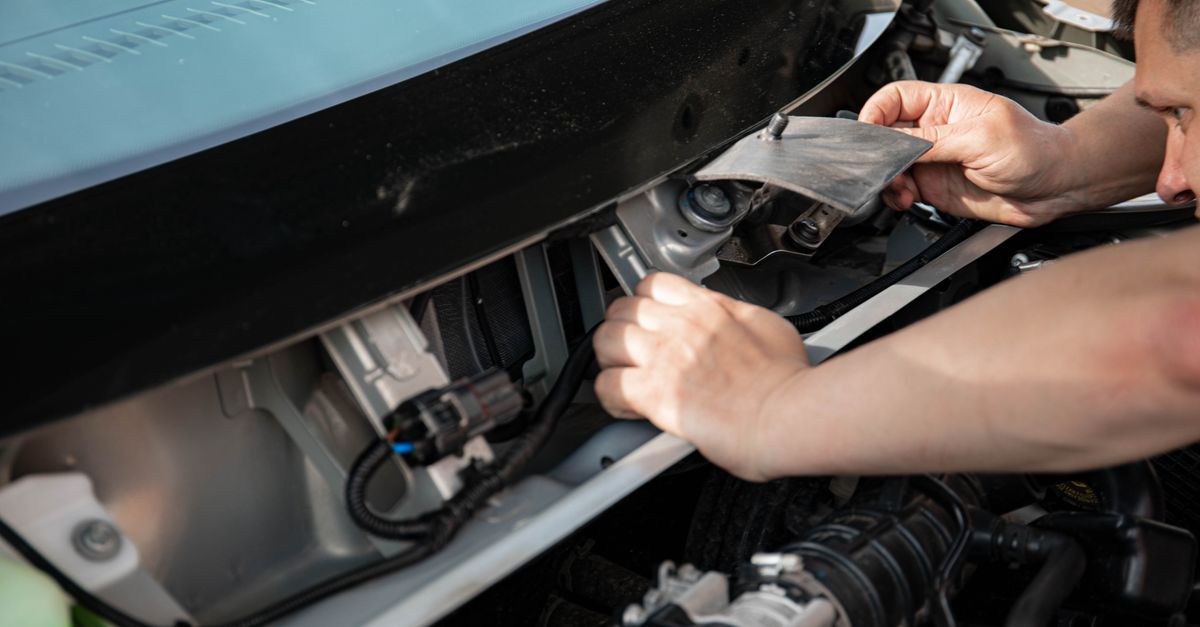
Table Of Contents
Installation of Relays in Vehicle Lighting
Incorporating relays into vehicle lighting systems is crucial for optimizing performance and ensuring longevity. The installation process begins with assessing the vehicle's existing wiring and understanding the specific lighting requirements. Relays allow high-powered lights to operate without straining the stock switches, reducing the risk of burnout and electrical issues. A proper installation relies on secure connections and appropriate gauge wiring to handle increased loads.
Before proceeding with installation, gather all necessary tools and equipment. This includes the relays themselves, appropriate fuses, a wiring harness, connectors, and electrical tape. It is important to follow the manufacturer's guidelines for relay specifications. Begin by identifying a suitable location for mounting the relay, ideally close to the light source to minimize voltage drop. Connecting the relay to both the power source and the lighting unit will enable efficient operation, ensuring your vehicle's lighting system shines bright and remains reliable.
Step-by-Step Guide to Relay Installation
Before beginning the installation of a relay, it's essential to gather the necessary tools and materials. Standard tools include a wire stripper, crimping tool, and basic hand tools for mounting. Ensure you have the appropriate relay type for your lighting system, along with connectors and appropriate gauge wiring. Disconnect the vehicle's battery to prevent any electrical mishaps during the process.
Start by identifying the location for the relay. It should be close to the power source and the lighting fixtures for efficiency. Connect the relay's terminals according to the wiring diagram specific to your vehicle. Secure the relay in place to avoid any movement that could lead to damage or disconnection. Once the wiring is complete, reconnect the battery and test the lights to confirm proper operation.
Troubleshooting Relay Issues in Lighting
When troubleshooting relay issues in vehicle lighting, start by checking the relay itself for signs of damage or wear. A malfunctioning relay can lead to intermittent lighting or complete failure of lights to function. Ensure that all connections are secure, including the ground and power supply to the relay. Testing the relay with a multimeter can help determine whether it is operational. No clicks or activation means the relay may be faulty.
If the relay seems to be functioning correctly, examine the wiring and connections leading to the lights. Look for frayed wires, corrosion, or loose terminals that could impede electrical flow. Additionally, verify the integrity of the switch that activates the relay. Issues with the switch can prevent the relay from engaging. Systematic checking will help isolate the problem, making it easier to address specific failures in the lighting system.
Common Problems and Solutions
One frequent issue encountered with relays in vehicle lighting systems is the failure of the relay itself. This can result from overheating or internal short circuits. Symptoms include flickering lights or lights that do not turn on at all. Regularly checking the relay for signs of damage or corrosion can help prevent this. Replacing a faulty relay with a high-quality, properly rated component ensures better performance and longevity of the lighting system.
Another common challenge is improper wiring, which can lead to malfunctioning lights. Incorrect connections often cause inconsistent lighting or blown fuses. To address this, carefully verify wiring against the vehicle's electrical schematics. Ensuring that all connections are secure and insulated reduces the risk of electrical faults. Using color-coded wires can simplify the process and minimize errors during installation.
Upgrading Vehicle Lighting with Relays
Relays play a significant role in enhancing the performance of vehicle lighting systems. When upgrading to brighter bulbs or adding auxiliary lights, a relay ensures that the electrical system can handle the increased power demand. This prevents potential damage to the vehicle's original wiring and switches. By bypassing the factory circuit and channeling power directly from the battery, relays enable lights to function at their optimal capacity.
Incorporating relays into your lighting setup not only improves brightness but also increases durability. Manufacturers often design stock wiring to accommodate standard bulbs, which can cause overheating when higher-wattage options are used. Relays help mitigate this risk, extending the lifespan of both the new lighting and the vehicle’s electrical system. This upgrade results in enhanced visibility on the road, contributing to safer driving conditions.
Enhancing Illumination with Relay Integration
Integrating relays into a vehicle's lighting system can significantly enhance illumination quality. This improvement stems from the ability of relays to manage higher current loads without compromising the integrity of the original wiring. By handling the power demands more efficiently, relays help ensure that bulbs receive adequate voltage, resulting in brighter and more reliable lighting.
Upgrading to a relay-integrated system also allows for the use of higher-performance bulbs. Many vehicle owners opt for LED or high-intensity discharge (HID) lighting, which often require more power than traditional halogen bulbs. With a relay in place, these upgraded lights can operate at their full potential, providing a clearer view on the road while improving safety during nighttime drives.
FAQS
What is the purpose of a relay in vehicle lighting?
A relay acts as an electrical switch that allows a low voltage signal to control a higher voltage circuit, improving the efficiency and effectiveness of vehicle lighting.
How do I know if my vehicle needs a relay upgrade for its lighting?
If you notice dim lights, flickering, or a significant voltage drop when using your lights, it may be time to consider upgrading to a relay system for better performance.
Can I install a relay for my vehicle’s lighting on my own?
Yes, with some basic electrical knowledge and tools, you can follow a step-by-step guide to install a relay for your vehicle's lighting. However, if you're uncertain, consulting a professional is advisable.
What are common problems associated with vehicle lighting relays?
Common issues include failure to switch on, overheating, or intermittent operation. These problems can often be resolved by checking connections, replacing the relay, or ensuring the wiring is in good condition.
How can relays enhance the illumination of my vehicle's lights?
Relays can improve the power supply to your lights, reducing the resistance in the wiring and allowing for brighter illumination, which enhances visibility and overall lighting effectiveness.
Related Links
Common Mistakes When Working on Automotive LightingThe Importance of Regular Lighting System Inspections
Solutions for Dim Interior Lights in Your Vehicle
Signs That Your Brake Lights Are Malfunctioning
The Impact of Weather on Your Car's Lighting Performance
How to Replace a Blown Fuse in Your Auto Lighting
Upgrading Halogen Lights to LED: Pros and Cons
Troubleshooting Tips for Flickering Headlights
Identifying Common Symptoms of Faulty Vehicle Lighting Systems