Troubleshooting Your Vehicle's Starter Motor Problems
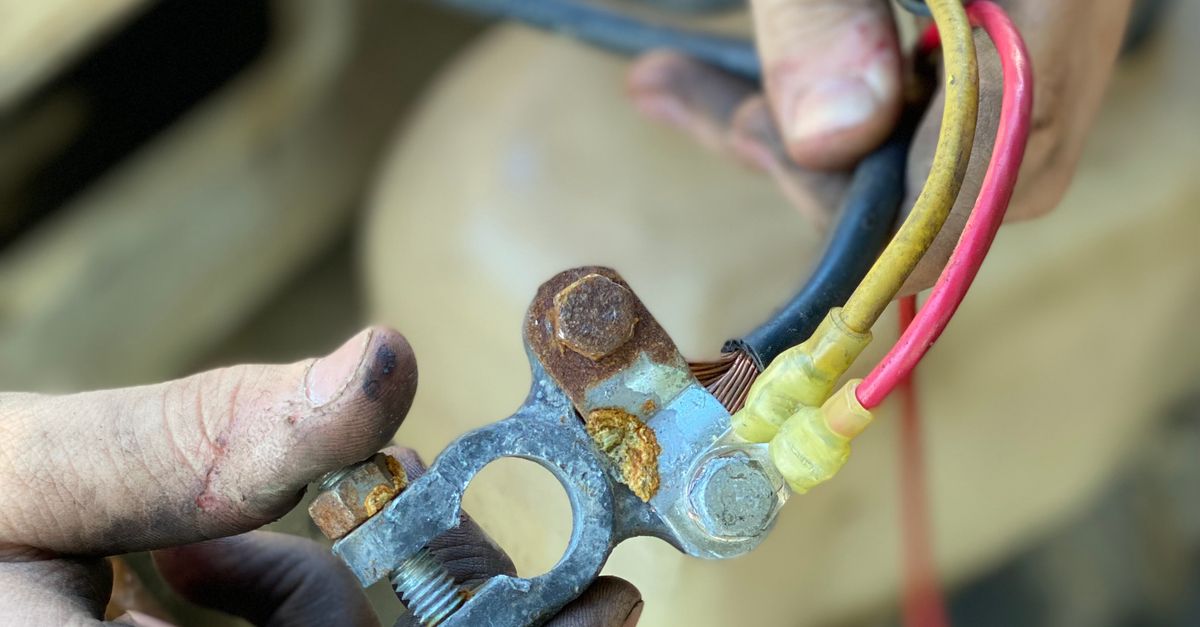
Table Of Contents
Inspecting the Ignition Switch
The ignition switch plays a crucial role in starting your vehicle. Problems with the switch can prevent your engine from cranking. Begin inspecting the ignition switch by turning the key to the "on" position without starting the engine. Check for dashboard lights and indicators. If they do not light up, the ignition switch may be faulty. Use a multimeter to test for continuity across the switch when in different positions.
If the dashboard lights operate correctly, the next step is to examine the starter circuit. Ensure that voltage flows from the ignition switch to the starter relay. Momentarily turn the key to the "start" position while checking for voltage at the relay. If voltage is absent during this test, further investigation into the wiring and connections leading back to the ignition switch is necessary. Any corrosion or loose connections could hinder operation, resulting in starting issues.
Diagnosing Switch Failures
A malfunctioning ignition switch can present a range of symptoms that impact the starting process. When turning the key or pushing the start button, you might notice a lack of response or intermittent issues where the vehicle starts and stops unexpectedly. A definitive sign of trouble is the dashboard lights flickering or failing to illuminate, indicating that the switch may not be supplying power to the necessary components.
To pinpoint the problem, begin by checking for any loose connections or visible signs of wear. Use a multimeter to test the continuity of the ignition switch. If the readings indicate that the switch is faulty, replacement is often the best solution. Ensure that the battery is fully charged before concluding the switch issue as it may produce similar symptoms if the power supply is inadequate.
Evaluating the Starter Relay
The starter relay serves as a crucial component in the starting system of your vehicle. It acts as a bridge between the ignition system and the starter motor. When the ignition switch is turned on, the relay receives a signal and then allows power to flow to the starter motor. A faulty relay can interrupt this process, preventing the starter from engaging and starting the engine.
To evaluate the starter relay effectively, begin by locating it, typically found in the fuse box or near the battery. Once you find the relay, you can perform a simple test by swapping it with another relay of the same type, if available. If the vehicle starts with the alternate relay, it's clear that the original relay has failed. Additionally, using a multimeter can help confirm whether the relay is functioning properly by checking for continuity when activated.
Testing Relay Operation
To determine whether the starter relay is functioning properly, it is essential to conduct a few simple tests. Begin by locating the relay, usually found in the engine compartment fuse box or the relay panel. A common method involves using a multimeter to check for continuity. Disconnect the relay from the circuit and apply the multimeter probes to the terminals. If the multimeter beeps or shows a reading, the relay has continuity. If not, it may be faulty and require replacement.
Another effective approach is to perform a bench test on the relay. This can be achieved by applying a voltage directly to the relay terminals. Listen for a clicking sound as the relay engages. This audible confirmation indicates that the relay is operational. If there is no sound, the relay is likely defective. Verifying the operation of the starter relay can save time and prevent unnecessary part replacement, ensuring that the issue lies elsewhere if the relay is functioning correctly.
Assessing Wiring and Ground Connections
A thorough examination of the wiring and ground connections is essential for diagnosing starter motor issues. Worn, frayed, or loose wires frequently contribute to starting problems. When inspecting the wiring, pay close attention to any signs of corrosion, especially at connection points. Corroded terminals can hinder electrical flow, making it difficult for the vehicle to start.
Ground connections play a significant role in the functionality of the starter motor. Ensure that all ground straps are secure and free from rust or corrosion. An inadequate ground can lead to poor performance or failure of the starter motor. It is also beneficial to check that the grounding points are clean and tightly fastened to the chassis or engine block. This helps to create a reliable electrical path necessary for proper operation.
Identifying Electrical Issues
Electrical issues can manifest in various ways, often making it difficult to pinpoint the exact cause of a starting problem. Corroded or loose connections can hinder the flow of electricity, preventing the starter motor from receiving adequate power. Carefully inspecting the wiring harness and connectors is essential. Look for frayed wires or signs of wear that could indicate a potential short circuit.
Ground connections play a crucial role in any vehicle's electrical system. A poor ground can lead to inadequate power reaching the starter motor, resulting in intermittent starting problems. Ensure all ground points are clean and secure, and use a multimeter to check for voltage drop. This simple step can help identify if the issue lies within the grounding system.
FAQS
What are the common symptoms of a faulty starter motor?
Common symptoms include a clicking sound when turning the key, the engine not starting at all, or intermittent starting issues.
How can I tell if my ignition switch is failing?
Signs of a failing ignition switch include difficulty turning the key, the dashboard lights flickering or not turning on, and the engine not cranking when the key is turned.
What should I do if the starter relay is suspected to be faulty?
You can test the relay by swapping it with another similar relay in the fuse box, or using a multimeter to check for continuity. If it fails the test, it should be replaced.
How can I check the wiring and ground connections related to the starter motor?
Inspect the wiring for any visible damage or corrosion, and ensure that all connections are tight. Use a multimeter to test for continuity in the wires and verify ground connections.
Can a weak battery cause starter motor issues?
Yes, a weak or dead battery can prevent the starter motor from receiving enough power to crank the engine. Always check the battery condition before diagnosing starter motor problems.
Related Links
Signs You Need an Alternator Repair in Western AustraliaSigns Your Starter Motor Needs Attention in Perth
Starter Motor Repair Techniques Used by Perth Auto Electricians
The Importance of Regular Alternator Maintenance
Starter Motor Replacement: What to Expect in Perth
Common Causes of Starter Motor Failures in Perth Cars
How Weather Conditions Affect Alternator Performance
How to Choose the Right Alternator for Your Vehicle
Understanding Alternator Malfunctions and Their Solutions