The Importance of Compliance with State Regulations for Auto Electricians
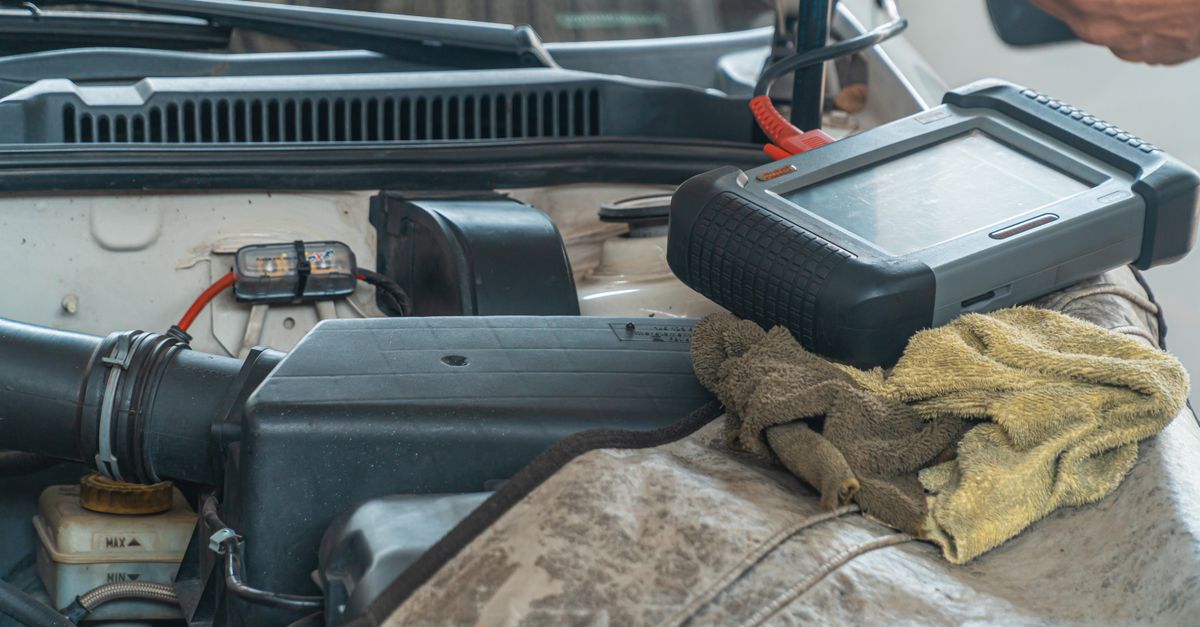
Table Of Contents
Implementing Compliance in Daily Operations
Integrating compliance into daily operations is essential for auto electricians. This approach begins with familiarizing the team with state regulations that govern automotive electrical work. Regular assessments of the workplace and procedures help identify potential areas of non-compliance. By establishing standard operating procedures that align with legal requirements, businesses mitigate risks associated with violations. Documenting these procedures and ensuring they are easily accessible to all staff fosters a culture of accountability.
Employee training plays a vital role in embedding compliance into everyday practices. Offering workshops and training sessions allows staff to stay informed about regulatory updates and best practices. This proactive stance not only enhances safety but also promotes efficiency. When employees are well-versed in compliance matters, they are better equipped to make decisions that align with regulatory standards, ultimately leading to improved operational outcomes.
Best Practices for Auto Electricians
Auto electricians should prioritize keeping their work environments organized and well-equipped. Ensuring that tools and components are easily accessible can greatly enhance efficiency. Regular maintenance of both equipment and workspace is essential. By adhering to proper safety protocols, electricians can mitigate risks associated with electrical work, which is crucial for both personal safety and compliance with state regulations.
Staying informed about the latest industry standards and technological advancements can significantly improve service quality. Utilizing diagnostic tools that conform to regulatory requirements not only aids in accurate repairs but also fosters customer trust. Implementing a system for regular self-audits can help identify areas for improvement in compliance practices. This proactive approach can lead to better outcomes and a stronger reputation within the community.
The Role of Training and Certification Programs
Training and certification programs serve as vital tools for auto electricians to ensure they meet required standards in their field. These programs equip technicians with essential skills and knowledge pertaining to electrical systems in vehicles. Understanding complex regulations is imperative, and structured training helps clarify these requirements. Enhanced expertise not only improves the quality of work but also instills confidence in clients regarding compliance with safety regulations.
Moreover, obtaining certifications from industry-recognized organizations can significantly boost an electrician’s credibility. Many regulatory bodies recognize these certifications, which can lead to better job opportunities and increased client trust. Continuous education opportunities within these programs keep technicians up-to-date with advancements in technology and changes in regulations. As the automotive industry evolves, so too must the skills of those working within it to maintain high standards of safety and service.
Importance of Ongoing Education
Staying updated with the latest advancements in automotive technology is crucial for auto electricians. The fast-paced nature of the industry means that new systems and regulations emerge regularly. Ongoing education ensures that professionals remain proficient and can effectively address modern challenges. Workshops, webinars, and online courses provide valuable opportunities for electricians to enhance their skills and knowledge.
Moreover, ongoing education reinforces compliance with state regulations. As laws change, understanding the nuances of these regulations helps avoid costly penalties and legal issues. By committing to continuous learning, electricians not only improve their technical capabilities but also demonstrate professionalism and dedication to their craft. This commitment to education can foster trust with clients and regulatory bodies alike.
Collaborating with Regulatory Authorities
Building effective partnerships with regulatory authorities enhances the compliance landscape for auto electricians. Engaging in open communication fosters trust and creates a supportive environment for clarifying expectations and standards. Regular meetings and collaborative initiatives can help auto electricians stay informed about changes in regulations, new technologies, and emerging practices that affect their work.
Establishing these relationships allows for mutual understanding between industry professionals and regulatory bodies. Auto electricians can gain valuable insights into best practices while contributing their unique perspectives on regulatory challenges. This cooperation promotes not only compliance but also the overall advancement of the industry, ensuring that all parties work toward shared safety and quality objectives.
Building Positive Relationships
Establishing strong relationships with regulatory authorities is crucial for auto electricians. Engaging in open communication fosters trust and ensures that electricians stay informed about relevant changes in regulations. Attending local meetings or industry events provides opportunities for networking, allowing electricians to connect with regulators and other professionals in the field. This collaboration can facilitate a better understanding of compliance requirements and promote a proactive approach to regulatory changes.
When auto electricians demonstrate a willingness to collaborate with authorities, they contribute to a more structured industry environment. Building a positive rapport encourages feedback from regulators, which can directly inform best practices and operational standards. These relationships also serve as a resource for resolving compliance issues and accessing the latest information on state regulations. Engaging with regulatory experts promotes not only individual business success but also the overall integrity of the auto repair industry.
FAQS
Why is compliance with state regulations important for auto electricians?
Compliance with state regulations ensures that auto electricians operate within legal guidelines, promoting safety, reliability, and quality of service in the automotive industry.
What are some best practices for maintaining compliance in daily operations?
Best practices include keeping up-to-date with state regulations, conducting regular audits, maintaining accurate records, and implementing safety protocols to adhere to industry standards.
How do training and certification programs contribute to compliance?
Training and certification programs equip auto electricians with the necessary knowledge and skills to understand and meet state regulations, ultimately enhancing their expertise and credibility.
Why is ongoing education essential for auto electricians?
Ongoing education is vital as it helps auto electricians stay informed about changes in regulations, new technologies, and industry standards, ensuring they remain compliant and competitive in the field.
How can auto electricians build positive relationships with regulatory authorities?
Auto electricians can build positive relationships by actively communicating with regulatory bodies, participating in industry meetings, and demonstrating a commitment to compliance and public safety.
Related Links
Differences Between Temporary and Permanent Licences for Auto ElectriciansCommon Pitfalls to Avoid When Applying for Auto Electrician Licences
Variations in Licensing Requirements Across Australian States for Auto Electricians
Navigating the Application Process for Auto Electrician Licences
Periodic Renewals and Continuing Education for Auto Electrician Licences
Steps to Obtain Your Auto Electrician Licence in Western Australia