The Impact of Corrosion on Automotive Electrical Connections
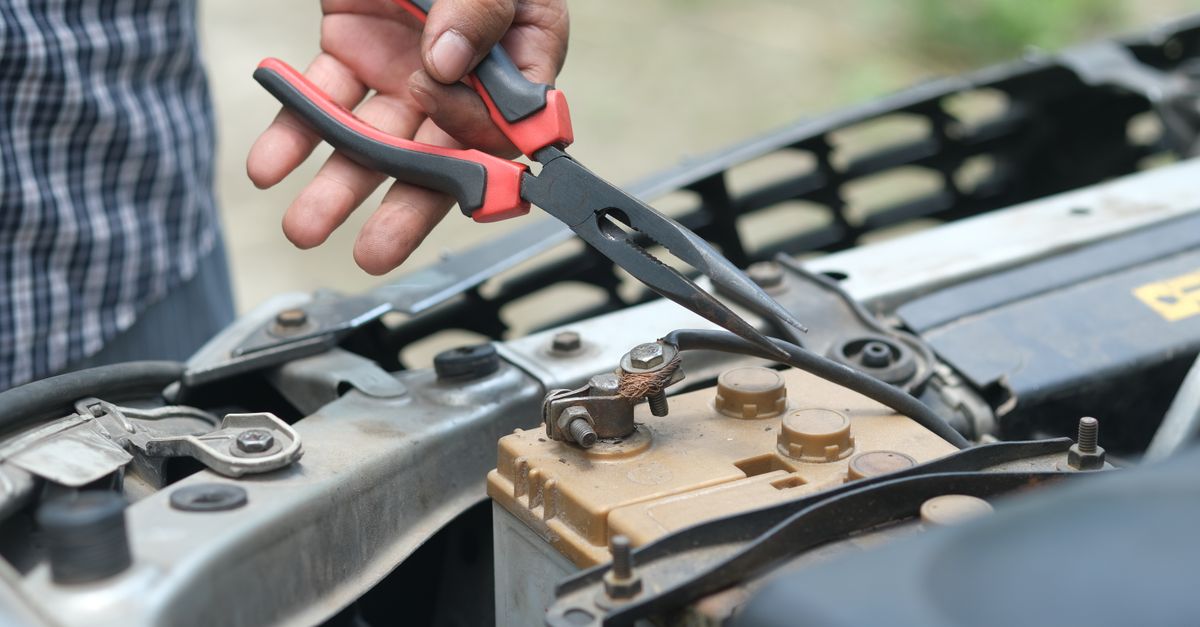
Table Of Contents
Prevention Techniques for Automotive Corrosion
Preventing corrosion in automotive electrical connections is crucial for maintaining vehicle performance and longevity. Regularly inspecting connections for signs of wear or exposure to moisture can help catch potential issues early. Utilizing protective coatings, such as silicone sealants or dielectric grease, provides an extra layer of defense against moisture and contaminants. Additionally, ensuring that connections are tightly secured minimizes the chances of water ingress and oxidation.
Environmental factors play a significant role in the onset of corrosion. Parking vehicles in garages or covered areas can reduce exposure to rain, snow, and road salt. Implementing routine cleaning of electrical components keeps dirt and debris at bay, which can trap moisture and promote corrosion. Using high-quality materials in wiring and connectors can also enhance resistance to corrosive elements, ultimately prolonging the effectiveness of electrical systems.
Best Practices for Protecting Electrical Connections
Maintaining the integrity of electrical connections is crucial for a vehicle's performance. Regular inspections can identify early signs of corrosion. Look for discoloration or build-up around connectors. Ensuring that electrical connections are tightly secured helps prevent moisture ingress. Utilizing anti-corrosion sprays or treatments can also create a protective barrier, further shielding these components from harsh environmental conditions.
When installing new connections, using high-quality components makes a significant difference. Choose connectors that are designed to resist both moisture and corrosion. Sealing connections with appropriate dielectric grease can provide an additional layer of protection. Additionally, keeping wiring harnesses away from sharp edges and high-heat areas minimizes the risk of damage. Regular cleaning of terminals with appropriate solutions maintains optimal conductivity.
Repairing Corroded Electrical Connections
Corroded electrical connections can lead to problematic vehicle performance. When addressing corrosion, the first step involves identifying the affected connections. This may require inspecting harnesses, terminals, and connectors for visible signs of corrosion, such as discoloration, flaking, or a powdery residue. Once localized, it is essential to disconnect the battery to prevent electrical shocks and further damage.
Cleaning the corroded connections typically involves using a wire brush or a dedicated cleaning solution designed for automotive use. After removing the corrosion, applying dielectric grease can help protect against future corrosion by providing a barrier against humidity and contaminants. Reassembly should be done carefully, ensuring all connections are secure to maintain optimal functionality. Regular inspections can help catch potential issues early, reducing the likelihood of significant repairs down the line.
Step-by-Step Guide to Fixing Corrosion Damage
Start by assessing the level of corrosion present on the electrical connections. Disconnect the battery to prevent any electrical issues while working. Using a wire brush or sandpaper, gently remove rust or corrosion from the affected areas. Be careful not to damage surrounding connections or wiring. Clean the area with a cloth dipped in an appropriate cleaning solution to remove any residual debris.
Once the connection is clean, inspect the terminals for any signs of physical damage. If necessary, replace any corroded components with new ones. Apply a corrosion-inhibiting compound or dielectric grease to the cleaned area. This will help protect against future corrosion. Reconnect the battery and test the electrical system to ensure everything is functioning properly before closing up the connection points.
Long-term Consequences of Ignoring Corrosion
Neglecting corrosion in automotive electrical connections can lead to serious long-term consequences. Over time, corroded connections can develop increased resistance, causing malfunctions in electrical systems. This may result in intermittent power supply to critical components like the battery, starter, and other vital electronic systems.
The safety and reliability of the vehicle can also be compromised. Electrical failures stemming from corrosion may lead to unpredictable behavior, such as headlights flickering or dashboard indicators malfunctioning. In severe cases, these issues could escalate to complete electrical failure, leaving the vehicle inoperable and posing risks to both the driver and others on the road.
Potential Risks to Vehicle Safety and Reliability
Corroded electrical connections can lead to intermittent or complete failures of vital systems within a vehicle. Components such as the engine control unit, anti-lock braking system, and airbag deployment mechanisms rely on the integrity of these connections. When corrosion compromises these areas, the potential for malfunctions increases significantly. Drivers may experience unexpected shutdowns or unreliable performance, which can pose a serious danger on the road.
Safety concerns also extend to the reliability of everyday vehicle functions. Problems with lighting systems, power steering, and fuel injection can emerge when electrical connections are degraded. These issues not only diminish overall vehicle performance but can also increase the likelihood of accidents. Therefore, neglecting the condition of electrical connections can have far-reaching implications, both for the vehicle's functionality and the safety of its occupants.
FAQS
What causes corrosion in automotive electrical connections?
Corrosion in automotive electrical connections is primarily caused by exposure to moisture, road salt, dirt, and environmental pollutants. These factors can lead to the oxidation of metal surfaces, resulting in corrosion over time.
How can I prevent corrosion on my vehicle’s electrical connections?
To prevent corrosion, regularly inspect and clean electrical connections, apply dielectric grease, and use protective coatings. Additionally, keeping the vehicle clean and storing it in a dry environment can help reduce moisture exposure.
What are the signs of corroded electrical connections in my vehicle?
Signs of corroded electrical connections may include intermittent electrical issues, dim or flickering lights, difficulty starting the vehicle, or visible signs of rust and discoloration around the connections.
Can I repair corroded electrical connections myself?
Yes, you can repair corroded electrical connections yourself by following a step-by-step guide that typically includes disconnecting the battery, cleaning the corroded areas, applying protective coatings, and reconnecting the components securely.
What are the long-term consequences of ignoring corrosion in automotive electrical connections?
Ignoring corrosion can lead to serious issues such as electrical failures, compromised vehicle safety, increased repair costs, and ultimately, reduced vehicle reliability and lifespan.
Related Links
Essential Tools for Diagnosing Wiring Issues in Automotive ApplicationsThe Importance of Regular Inspections for Vehicle Wiring Integrity
How to Recognise Wiring Damage from Environmental Factors
Understanding the Role of Grounding in Vehicle Electrical Systems
Tips for Repairing Damaged Wiring Harnesses in Automobiles
Common Causes of Electrical Short Circuits in Cars
Best Practices for Maintaining Automotive Electrical Wiring