Importance of Practical Experience in the Auto Electrician Qualification Process
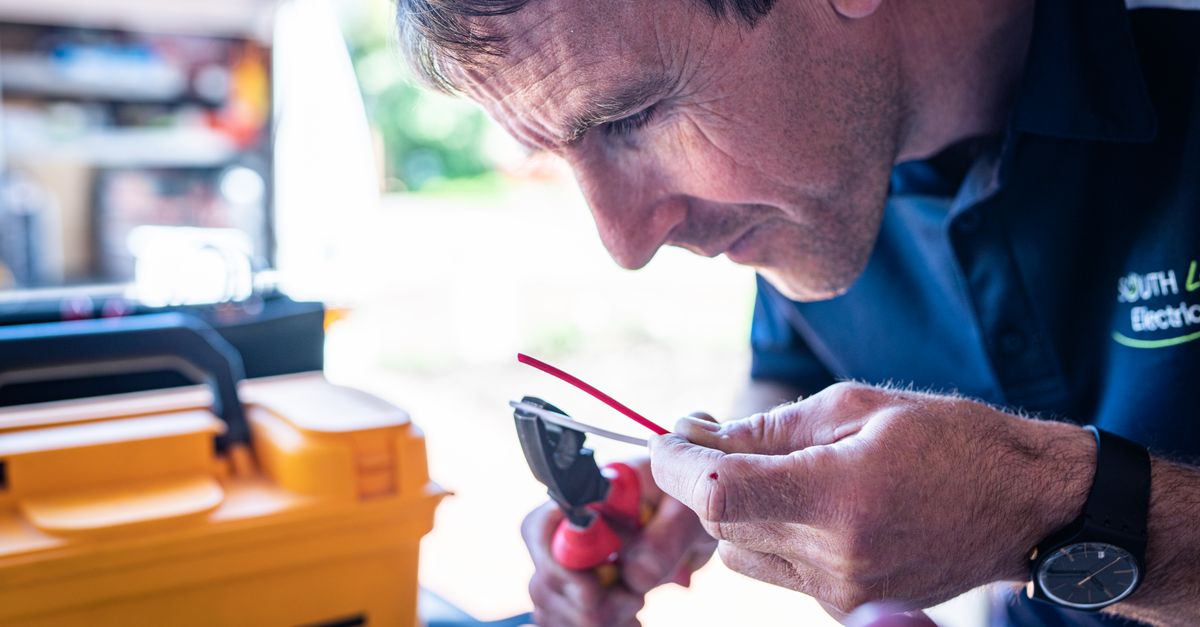
Table Of Contents
Tools and Equipment Familiarity for Aspiring Electricians
A solid grasp of tools and equipment is essential for individuals pursuing a career as auto electricians. This involves understanding the various hand tools, power tools, and diagnostic equipment commonly used in the field. Familiarity with items such as multimeters, oscilloscopes, and scan tools not only enhances efficiency but also improves accuracy when diagnosing electrical issues in vehicles. Practical exposure allows aspiring electricians to develop confidence in using these instruments, ensuring they can perform tasks effectively in real-world scenarios.
Hands-on experience with tools also aids in building crucial problem-solving skills. Exposure to a diverse array of equipment means that electricians can adapt to different work environments and challenges. Being able to quickly identify and utilize the right tool for a specific task saves time and increases productivity. Furthermore, the opportunity to work with cutting-edge technology allows budding professionals to stay updated with industry advancements, which is vital in a rapidly evolving automotive landscape.
Mastering Key Instruments in the Auto Shop
Familiarity with essential tools is crucial for any aspiring auto electrician. Working directly with instruments like multimeters, oscilloscopes, and diagnostic scanners enables students to develop the skills necessary for troubleshooting electrical systems. Proficiency with these tools goes beyond theoretical knowledge. Practical experience ensures a deeper understanding of their functionality and application within real-world scenarios.
Hands-on practice in an auto shop setting allows trainees to encounter various problems firsthand. This experience fosters a sense of confidence and efficiency in diagnosing and repairing electrical issues. Additionally, learning how to properly maintain and utilize tools bolsters a technician's overall effectiveness. Developing this expertise establishes a strong foundation that is vital for a successful career in automotive electrical work.
Safety Protocols Learned in Practical Settings
Hands-on training in auto shops provides invaluable lessons in safety protocols that can't be fully captured in a classroom setting. Working directly with vehicles and heavy equipment exposes aspiring electricians to real-world risks and challenges. Each practical scenario emphasizes the importance of proper use of personal protective equipment. Students learn to assess their surroundings, identifying hazards and understanding safe handling procedures for tools and materials.
These experiences reinforce the necessity of adhering to established safety protocols at all times. Engaging in active problem-solving teaches future electricians how to react in emergencies and navigate potentially dangerous situations. Through consistent practice, they become adept at following safety guidelines, which fosters a culture of responsibility and awareness within the workplace. This commitment to safety not only protects individuals but also enhances overall team efficiency and effectiveness in the auto repair industry.
Importance of Adhering to Workplace Safety Standards
Safe work environments are crucial in the field of auto electrical repair. Adhering to established safety standards mitigates risks associated with electrical hazards, equipment malfunctions, and potential accidents. Proper use of personal protective equipment, such as gloves and safety glasses, becomes a necessity rather than an option. A thorough understanding of these standards fosters a culture of safety that benefits both the worker and the customer.
Practical experiences allow aspiring electricians to witness the consequences of neglecting safety protocols firsthand. Observing or participating in practices such as lockout/tagout procedures prevents accidental equipment startups. Training within real-world settings reinforces the importance of vigilance and accountability. Engaging with experienced professionals further helps newcomers assimilate critical safety practices that are essential for their careers.
Understanding Industry Standards and Regulations
Having a solid grasp of industry standards and regulations is essential for any aspiring auto electrician. These guidelines ensure that all work meets safety and quality benchmarks. Exposure to these standards often occurs in workshops or during internships. As students engage in hands-on training, they learn how to integrate regulations into their daily tasks. Understanding the implications of non-compliance is critical for both personal safety and the longevity of the vehicles they service.
The ever-evolving nature of the automotive industry means that regulations are subject to change. Keeping current with these updates can be challenging without practical experience. Working alongside seasoned professionals offers firsthand insights into navigating complex compliance issues. This direct engagement allows aspiring electricians to ask questions and clarify doubts regarding specific regulations and practices. Such experience fosters a comprehensive understanding that theoretical learning alone cannot provide.
Compliance Through On-the-Job Experience
Gaining hands-on experience in an actual work environment allows aspiring auto electricians to internalize industry standards and regulations effectively. The practical application of knowledge enhances understanding of compliance measures and the intricacies involved in electrical systems. Regular exposure to real-life scenarios bridges the gap between theory and practice, making the learning process more dynamic and impactful. As these individuals engage with seasoned professionals, they receive valuable insights that textbooks often overlook.
Moreover, the complexities of automotive electrical systems necessitate an awareness of evolving regulations. Adhering to compliance not only fosters professional credibility but also cultivates a culture of safety and quality within the workplace. By navigating these requirements during training, future electricians are better equipped to tackle challenges that arise post-certification. This tangible experience lays the groundwork for a successful career in the automotive industry, emphasizing accountability and professionalism.
FAQS
Why is practical experience important for aspiring auto electricians?
Practical experience is crucial for aspiring auto electricians as it allows them to apply theoretical knowledge in real-world situations, develop hands-on skills, and understand the intricacies of auto electrical systems.
What tools and equipment should aspiring auto electricians be familiar with?
Aspiring auto electricians should be familiar with various tools such as multimeters, soldering irons, diagnostic scanners, and hand tools like wrenches and pliers, as these are essential for performing electrical repairs and diagnostics.
How do safety protocols contribute to the training of auto electricians?
Safety protocols are vital in training because they teach aspiring electricians how to work safely in potentially hazardous environments, reducing the risk of accidents and ensuring compliance with industry safety standards.
What are some key safety standards auto electricians need to adhere to?
Key safety standards include the use of personal protective equipment (PPE), following lockout/tagout procedures, proper handling of electrical components, and understanding the manufacturer's safety guidelines for tools and equipment.
How does on-the-job experience help with understanding industry standards and regulations?
On-the-job experience helps auto electricians become familiar with industry standards and regulations by exposing them to real-world scenarios, enabling them to learn compliance measures and best practices directly from experienced professionals.
Related Links
Steps to Achieve Certification in Automotive Electrical TechnologyUnderstanding the Pathways to Becoming an Auto Electrician in Perth
Differences Between State-Specific and National Qualifications for Electricians
The Role of Registered Training Organisations in Auto Electrician Education
Assessing Competency Standards for Automotive Electrical Technology