How to Diagnose Starter Motor Problems Before Calling an Auto Electrician
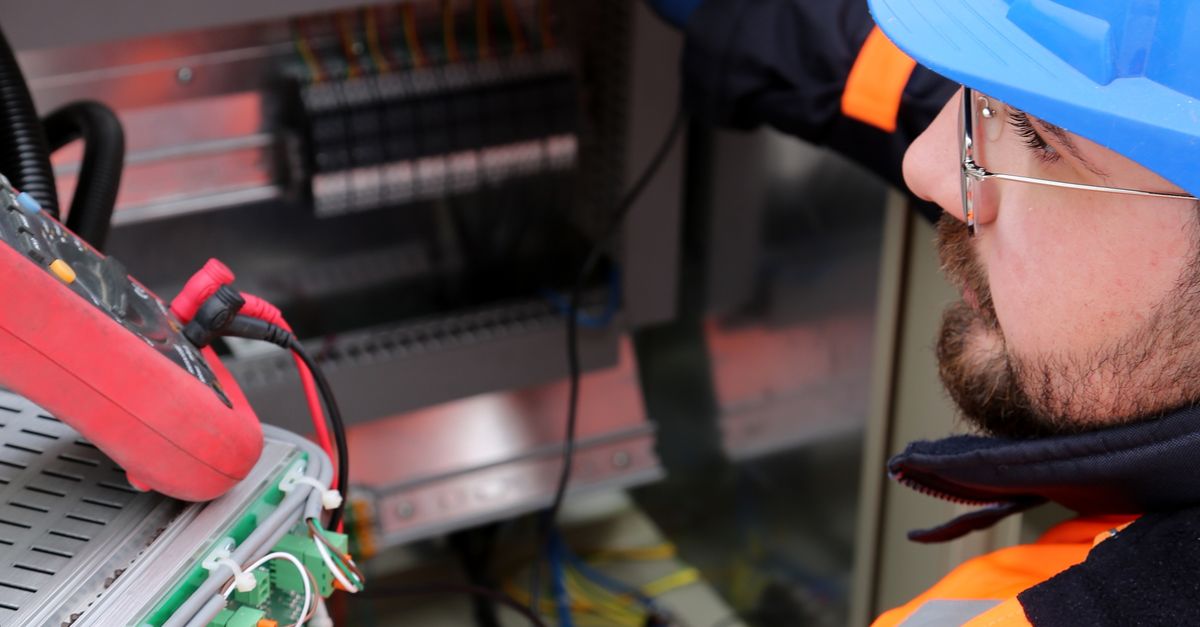
Table Of Contents
Examining Battery Connections
Proper battery connections are essential for a vehicle to start smoothly. Loose or corroded terminals can prevent the necessary electrical current from reaching the starter motor. Regularly checking the battery terminals for snug fittings can help ensure a reliable connection. If you observe any signs of corrosion, using a mixture of baking soda and water can often clean the terminals effectively, facilitating better conductivity.
Maintaining clean battery posts contributes significantly to the overall health of your vehicle's electrical system. While inspecting the connections, pay close attention to the clamps that hold the cables to the battery terminals. Any wear or deterioration in these components can compromise performance. Additionally, it’s wise to look for any buildup of grime or dirt that may interfere with the connection, as these can cause interruptions in the power flow essential for a successful start.
Ensuring Secure and Clean Terminals
A thorough inspection of battery terminals is essential for proper starter motor functionality. Corrosion can accumulate on the terminals over time, leading to poor electrical connections. This buildup not only hinders the flow of current but can also create additional resistance. Cleaning the terminals with a wire brush can help remove any buildup. Ensuring that the connections are tight can prevent intermittent starting issues that may mislead vehicle owners into thinking there is a problem with the starter motor itself.
It is important to check both the positive and negative terminals for security. If the terminals are loose, they may vibrate during vehicle operation. This could cause a disruption in power delivery when attempting to start the engine. After cleaning, applying a protective spray can help delay future corrosion. Regular maintenance of the battery terminals can contribute to the overall reliability of the electrical system, including the starter motor.
Assessing Wiring and Connections
Inspecting the wiring and connections involved in the starter motor system is vital for accurate diagnosis. Start by looking for any loose connections that may hinder the flow of electricity. These connections include battery terminals, cables, and the starter solenoid. Tightening any loose connections can sometimes resolve the issue without further complication.
Next, examine the wiring for signs of damage. Look for fraying, corrosion, or any exposed conductors that could disrupt the electrical current. A damaged wire can result in poor starter performance or even prevent the engine from cranking altogether. Taking the time to thoroughly inspect these components can save both time and expense in resolving starter issues.
Inspecting for Damaged Wires
Start by visually inspecting the wiring that connects to the starter motor. Look for any visible signs of wear, fraying, or corrosion. Damaged wires can impede the flow of electricity, leading to a failure in initiating the engine. Focus on areas where wires may come into contact with metal surfaces, as constant movement or vibrations can cause insulation to wear away.
Use a multimeter to check for continuity in the wires. A lack of continuity indicates a break somewhere along the wire, which can prevent the starter motor from receiving power. If any wires appear damaged or show resistance during testing, they should be replaced. Addressing any wiring issues promptly can help ensure that the starter motor operates effectively when needed.
Recognizing Engine Problems
A malfunctioning starter motor can sometimes be misdiagnosed, as engine problems may present similar symptoms. If the engine is struggling to turn over but the battery and starter are in good condition, the issue may lie deeper within the engine itself. A compressed engine cylinder could prevent the starter from engaging properly. Additionally, low oil levels or an overheating engine may contribute to difficulties in starting, as these conditions create added strain on engine components.
Mechanical issues such as a seized engine can render a vehicle inoperable regardless of a functional starter motor. It is important to assess sounds coming from the engine compartment. Unusual noises, such as grinding or clicking sounds, may indicate significant mechanical failure. A thorough inspection of engine health, including checking for gas compression and inspecting timing belt integrity, is essential before assuming the starter is at fault.
Conditions Affecting Starter Performance
Numerous factors can hinder the performance of a starter motor. A weak or depleted battery stands at the forefront, often resulting from factors like age, corroded terminals, or a faulty alternator. Extreme external temperatures can also play a role, as cold weather reduces battery efficiency while excessive heat can damage internal components.
In addition to battery issues, mechanical problems within the engine may contribute to starter challenges. A jammed flywheel or seized engine may prevent the starter from engaging properly. Furthermore, a misaligned starter or worn-out gears can disrupt the engagement process, leading to the perception of a failing starter motor when the actual problem lies elsewhere.
FAQS
What are the first steps to diagnose starter motor problems?
Start by examining the battery connections, ensuring they are secure and clean. Then, assess the wiring and connections for any damage before considering engine-related issues.
How can I tell if the battery is causing starter issues?
Check if the battery terminals are clean and tightly connected. If the battery is old or not holding a charge, it may need to be replaced, as a weak battery can lead to starter problems.
What signs indicate damaged wiring in the starter system?
Look for frayed or worn wires, corrosion, or loose connections. If you notice any of these issues, the wiring may need to be repaired or replaced to ensure proper starter function.
Can engine problems affect the starter motor's performance?
Yes, certain engine conditions, like a seized engine or other mechanical issues, can prevent the starter from engaging properly. It’s essential to check the overall health of the engine during diagnosis.
Is it necessary to call an auto electrician if I find issues with the starter motor?
If you are able to identify and address minor issues, such as cleaning terminals or securing connections, you may not need to call an auto electrician. However, if you encounter complex problems or are unsure, it’s best to seek professional help.
Related Links
The Role of the Ignition System in Starter Motor FunctionalityComparing Starter Motor Brands and Their Reliability
The Impact of Weather Conditions on Starter Motor Performance
Essential Tools for Diagnosing Starter Motor Failures
Preventive Maintenance Tips to Avoid Starter Motor Failures
Signs Your Starter Motor Needs Immediate Attention
Cost Factors Involved in Starter Motor Repairs in Perth
Understanding the Common Causes of Starter Motor Issues
Identifying Symptoms of Starter Motor Failures in Perth Vehicles